
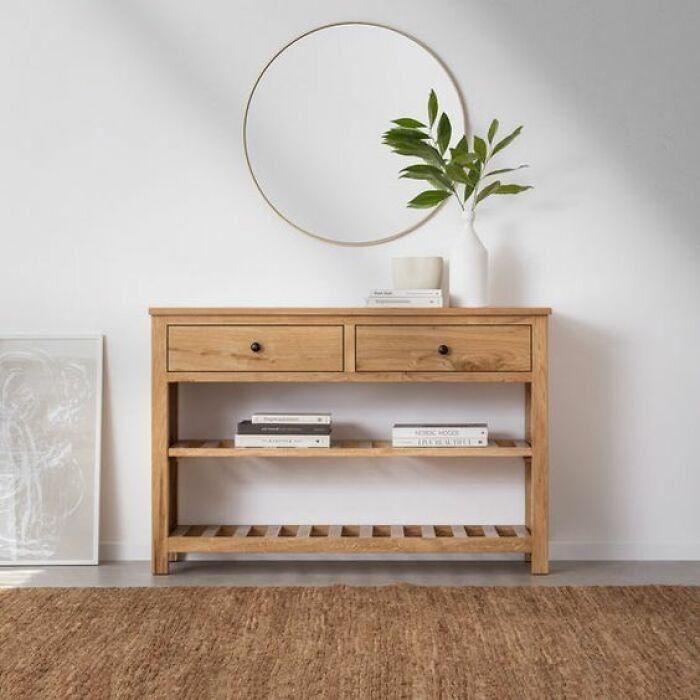
Overview
The cost of custom wood furniture can vary widely depending on several factors, including the type of wood used, the size of the furniture piece, the complexity of the design, and the level of craftsmanship involved. Unlike mass-produced furniture, custom pieces are built specifically for your space and preferences, often using solid timber and traditional joinery methods.
While custom furniture typically costs more than ready-made alternatives, it often provides better durability, higher-quality materials, and a unique design tailored to your home. Understanding what influences the price can help you plan your budget and decide which features matter most for your project.
Average Cost of Custom Wood Furniture
Custom wooden furniture prices vary depending on the type of piece being made. Larger furniture items and pieces that require more labour or specialised design work will generally cost more.
Typical price ranges may include:
- Custom dining tables: Medium to large dining tables built from solid wood can range from moderate to higher price brackets, depending on the wood type and size.
- Custom coffee tables: Smaller pieces like coffee tables are usually more affordable, although unique designs and premium woods can increase the cost.
- Custom cabinets or storage units: Cabinets often require more detailed construction and hardware, which can increase the price.
- Custom kitchen islands: Because they combine structural strength with storage and work surfaces, kitchen islands can be one of the more complex pieces to build.
- Custom desks or workbenches: The price depends on the thickness of the timber and the level of structural reinforcement required.
The final price depends heavily on the materials and the amount of craftsmanship involved.
What Factors Affect the Cost of Custom Wooden Furniture?
Type of Wood
The choice of timber is one of the biggest factors affecting cost. Different woods vary in durability, appearance, and availability.
Common woods used in South African furniture include:
- Kiaat – a durable hardwood with attractive grain patterns
- Oak – known for its strength and classic appearance
- Pine – a more affordable option that is still durable when properly treated
- Oregon Pine – valued for its strength and character
Hardwoods generally cost more than softwoods because they are denser and often more durable.
Size of the Furniture Piece
Larger furniture pieces require more timber and more time to build. A large dining table designed to seat ten people, for example, will naturally cost more than a compact four-seater table.
The thickness of the timber also plays a role. Heavy, solid tabletops require more material and additional structural support.
Design Complexity
The more complex the design, the more labour is required to produce the piece. Features that can increase cost include:
- Built-in drawers
- Storage compartments
- Decorative edges or profiles
- Unique shapes or curved designs
- Integrated shelving or cabinets
Simple designs are usually more affordable, while intricate furniture requires more time and specialised craftsmanship.
Joinery and Craftsmanship
High-quality wooden furniture relies on strong joinery techniques rather than basic screws or brackets. Traditional methods used by skilled furniture makers may include:
- Mortise and tenon joints
- Dovetail joints
- Reinforced timber frames
These techniques take more time but significantly increase the durability and lifespan of the furniture.
Finishes and Treatments
The finish applied to the furniture also influences cost. Finishes protect the wood and enhance its natural appearance.
Common finishing options include:
- Natural oils that highlight the grain
- Wood stains to achieve specific colours
- Protective coatings for durability
- Wax finishes for a softer, natural look
High-quality finishes help protect the wood from moisture, scratches, and everyday wear.
Custom Furniture vs Store-Bought Furniture Costs
Store-bought furniture is often cheaper upfront because it is mass-produced using standard materials and automated manufacturing processes. Many factory-made pieces also use engineered materials such as particle board or veneer.
Custom furniture, on the other hand, is usually built from solid wood and designed for a specific space. While the initial price may be higher, custom pieces often last much longer and can be repaired or refinished if necessary.
For homeowners who want furniture that will last for many years, custom wood furniture can offer better long-term value.
Why Custom Wooden Furniture Can Be Worth the Investment
Custom furniture provides several benefits that mass-produced furniture cannot always match.
These include:
- Furniture built to last for decades
- Designs tailored specifically to your space
- Unique pieces that reflect your personal style
- Higher-quality materials and construction
Many homeowners choose custom furniture because it allows them to create pieces that perfectly fit their homes rather than adapting their space to standard furniture sizes.
Typical Timeline for Custom Furniture
Custom furniture is made through a process that takes time and careful planning. The timeline can vary depending on the complexity of the project.
Typical stages include:
- Initial consultation and design discussion
- Selecting the wood and materials
- Construction and joinery
- Sanding, finishing, and final detailing
Depending on the project, custom furniture may take several weeks to complete.
How to Get an Accurate Quote for Custom Furniture
To receive an accurate quote from a furniture maker, it helps to provide clear details about the piece you want.
Important information usually includes:
- The desired dimensions
- The type of wood you prefer
- Design style or inspiration images
- The purpose of the furniture
- Your approximate budget
Providing these details allows the furniture maker to estimate materials, labour, and construction time more accurately.
How to Get an Accurate Quote for Custom Furniture
To receive an accurate quote from a furniture maker, it helps to provide clear details about the piece you want.
Important information usually includes:
- The desired dimensions
- The type of wood you prefer
- Design style or inspiration images
- The purpose of the furniture
- Your approximate budget
Providing these details allows the furniture maker to estimate materials, labour, and construction time more accurately.
Custom Wooden Furniture in Cape Town
Working with a local furniture maker can make the custom process easier and more collaborative. Local craftsmen understand the materials available in South Africa and can help design furniture suited to local homes and lifestyles.
Custom furniture makers can also advise on the best wood types for durability, appearance, and long-term performance.
